Skip to content
2
.
Ceiling Leak Repair: How to Fix It Before It Gets Worse
A ceiling leak is more than just an annoying drip—it can quickly lead to serious water damage, mold growth, and costly repairs. If you’ve noticed water stains, peeling paint, or sagging drywall, you need to act fast. This guide will walk you through how to identify, fix, and prevent ceiling leaks before they turn into a major headache.
Common Causes of Ceiling Leaks
Before you begin repairs, it’s crucial to determine the source of the leak. Here are the most common causes:
1. Roof Damage
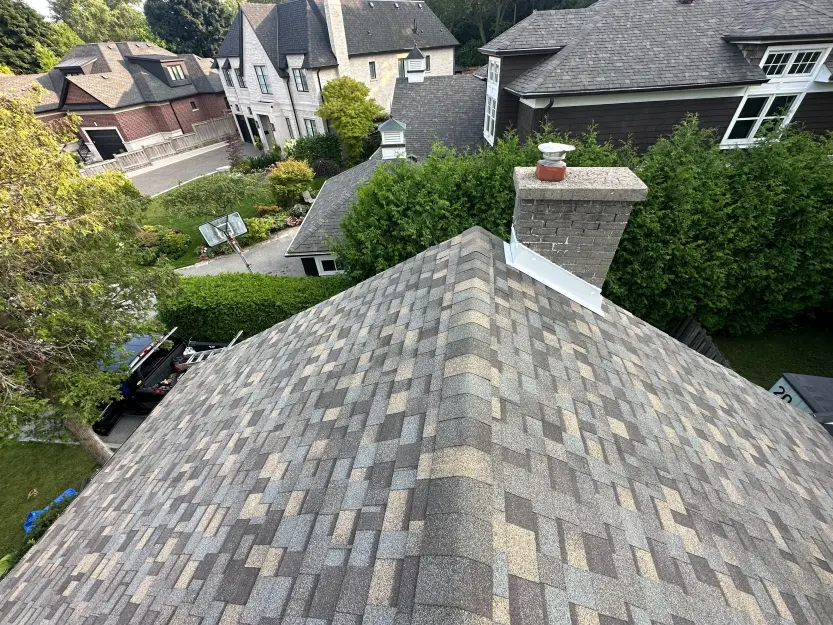
- Missing or damaged shingles
- Clogged gutters causing water backup
- Roof flashing deterioration
2. Plumbing Leaks
- Leaking pipes in the ceiling
- Burst or corroded pipes
- Overflowing bathtubs or toilets from upstairs
3. HVAC Issues
- Condensation buildup from AC units
- Clogged drain lines
- Improper ventilation causing moisture accumulation
4. Faulty Caulking or Seals
- Gaps around vents, chimneys, or windows
- Poorly sealed skylights
Step-by-Step Guide to Ceiling Leak Repair
Once you’ve identified the source, follow these step-by-step repair instructions to prevent further damage.
Step 1: Contain the Water Damage
- Place a bucket under the leak to catch dripping water.
- Cover furniture or flooring with plastic sheets to prevent water stains.
- Poke a small hole in the sagging ceiling (if applicable) to let trapped water drain safely.
Step 2: Locate the Leak Source
- Check the attic for roof leaks. Look for wet insulation or water trails.
- Inspect pipes and plumbing connections if the leak is directly below a bathroom.
- Examine HVAC units for condensation drips or clogged drain lines.
Step 3: Fix the Leak
Depending on the source, here’s what to do:
For Ceiling Leak Repair:
- Replace missing shingles or repair damaged flashing.
- Clear clogged gutters to allow proper drainage.
- Apply roof sealant to minor cracks.
For Plumbing & Ceiling Leak Repair:
- Tighten or replace leaky pipe joints.
- Use pipe tape or epoxy for minor cracks.
- Call a plumber for major pipe damage.
For HVAC & Ceiling Leak Repair:
- Clear AC drain lines to prevent condensation buildup.
- Insulate pipes to prevent sweating.
Step 4: Dry Out the Affected Area
- Use fans and dehumidifiers to dry the ceiling.
- Remove wet insulation if necessary.
- Open windows for better air circulation.
Step 5: Repair the Ceiling
Once the leak is fixed and the area is dry:
- Scrape away damaged paint or drywall.
- Patch holes with joint compound and let it dry.
- Sand the surface smooth before repainting.
- Apply mold-resistant primer and repaint the ceiling.
Preventing Future Ceiling Leaks
When to Call a Professional